Coffee worth being curious about.
House-roasted, single-origin coffee. Made with care, from espresso to pour-over.

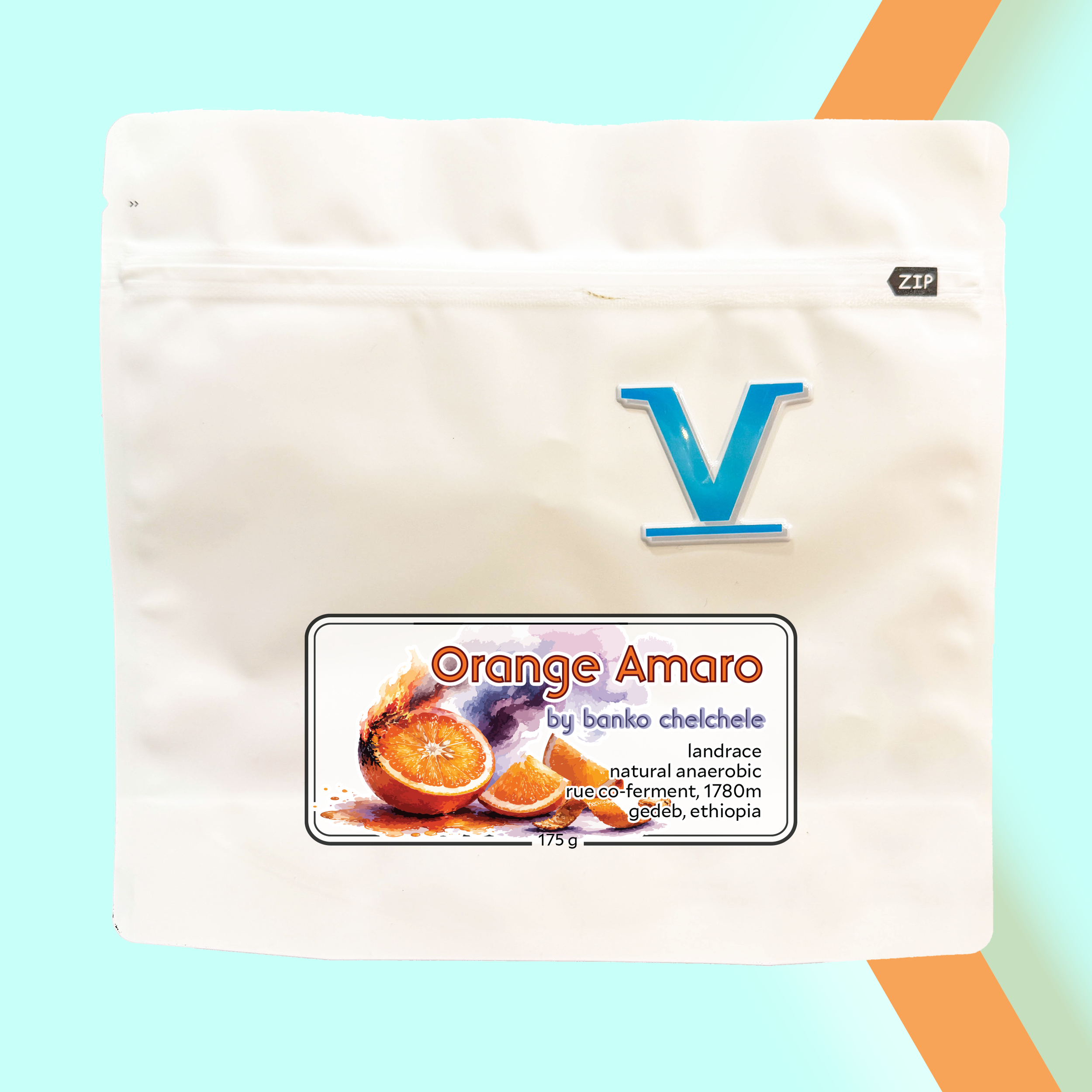
country // ethiopia
region // gedeb
washing station // banko chelchele
varietal // landrace
elevation // 1780 masl
process // natural anaerobic rue co-ferment
size // 175g
This is a high-intervention anaerobic natural coffee, co-fermented with rue, from Chelchele, Ethiopia, produced by smallholder farmers organized around the Banko Chelchele washing station and EDN.
The flavor profile is intensely aromatic with plenty of floral notes underpinned by candied fruits and herbs. It is not heavy on process flavors, and distinctly Ethiopian in its taste.
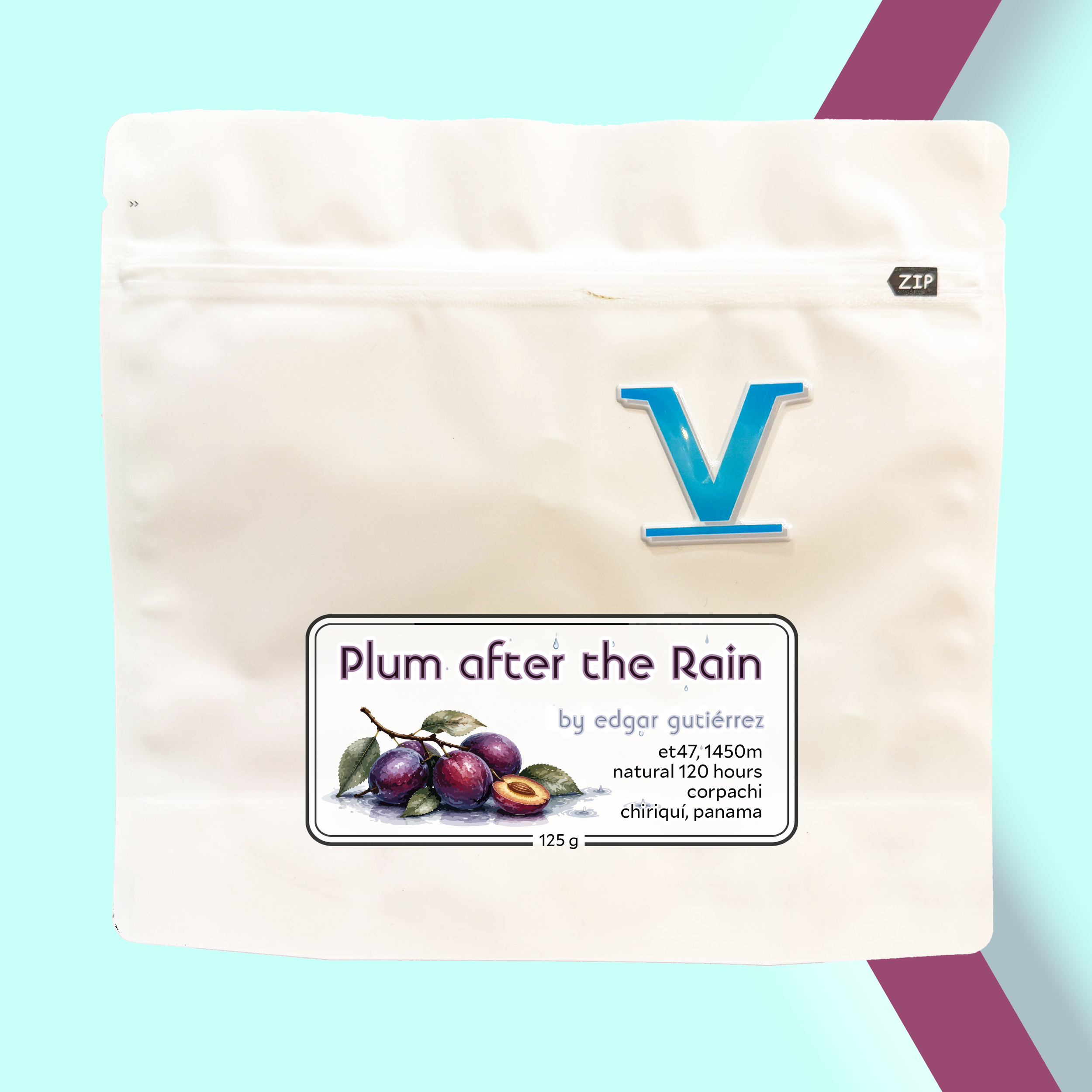
country // panama
region // chiriquí
farm // corpachi
farmer // edgar gutiérrez
varietal // et47
elevation // 1450 masl
process // natural 120 hours
size // 125g
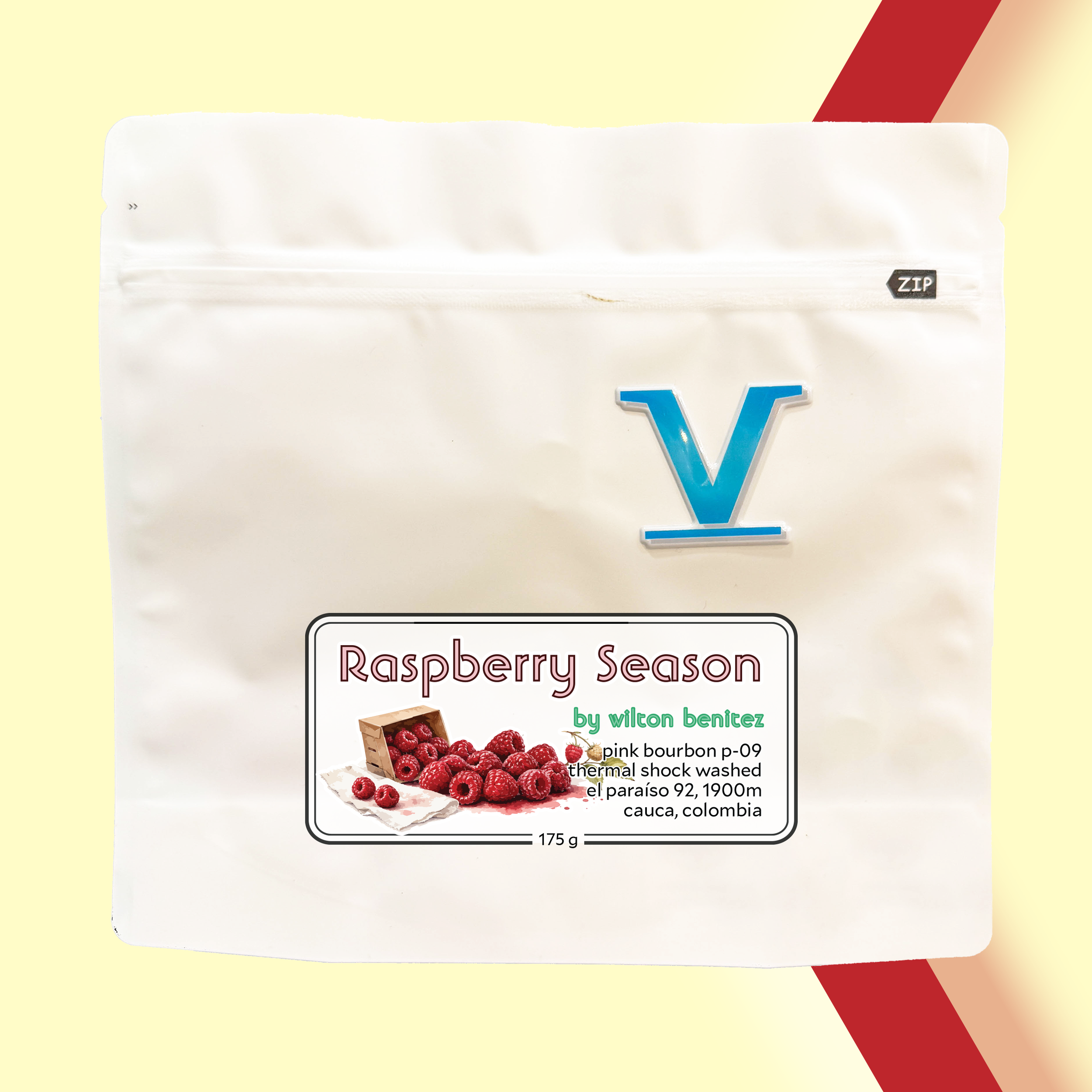
country // colombia
region // cauca
farm // el paraíso 92
producer // wilton benitez
varietal // pink bourbon p-09
elevation // 1900 masl
process // thermal shock washed
size // 175g
Paraíso 92 is a family farm that uses highly innovative farming systems such as terraces, drip irrigation, shading and laboratory nutrition count aimed to produce a unique coffee. Paraiso 92 has a processing plant, microbiology lab and quality lab.
The processes applied to all the coffees start with a careful and strict selection, sterilization and coffee cherry profiling. Subsequently, the first controlled anaerobic fermentation phase initiates, by adding a specific microorganism for each process. Later on, the coffee is pulped and then subject to a second fermentation phase. When the second fermentation phase is done, a thermal shock process is carried out through hot and cold-water shots in an effort to improve and boost the organoleptic characteristics of the coffee.
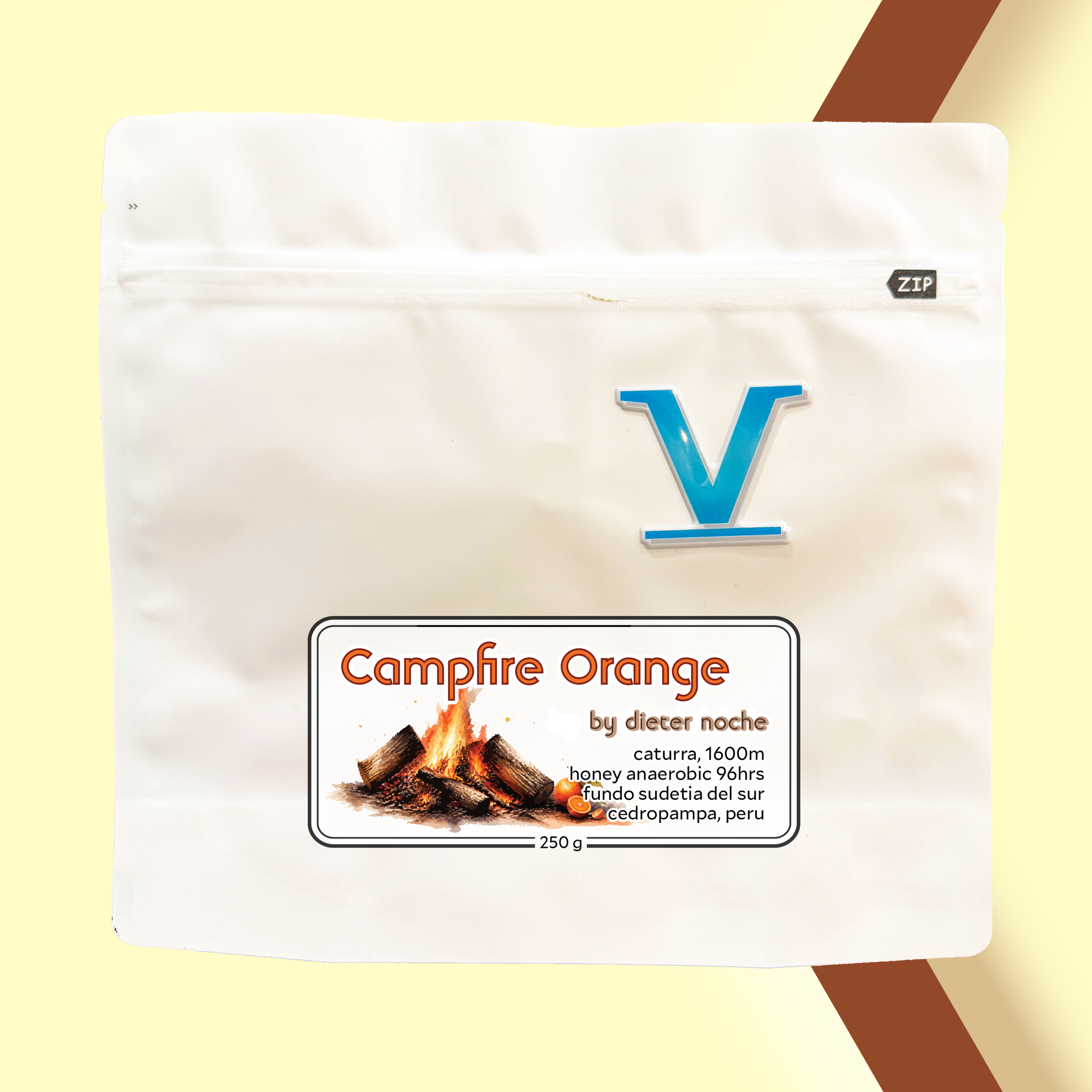
country // peru
region // cedro pampa
farm // Fundo sudetia del Sur
farmer // dieter noche
varietal // caturra
elevation // 1600 masl
process // honey anaerobic 96hrs
size // 250g
Fundo Sudetia del Sur began around 1935 with the arrival of Max Noche who migrated from Germany and settled in the valley of Cedro Pampa, 12 kilometers from Villa Rica. Today Dieter Noche, being the third generation, continues to produce specialty coffees in this farm.
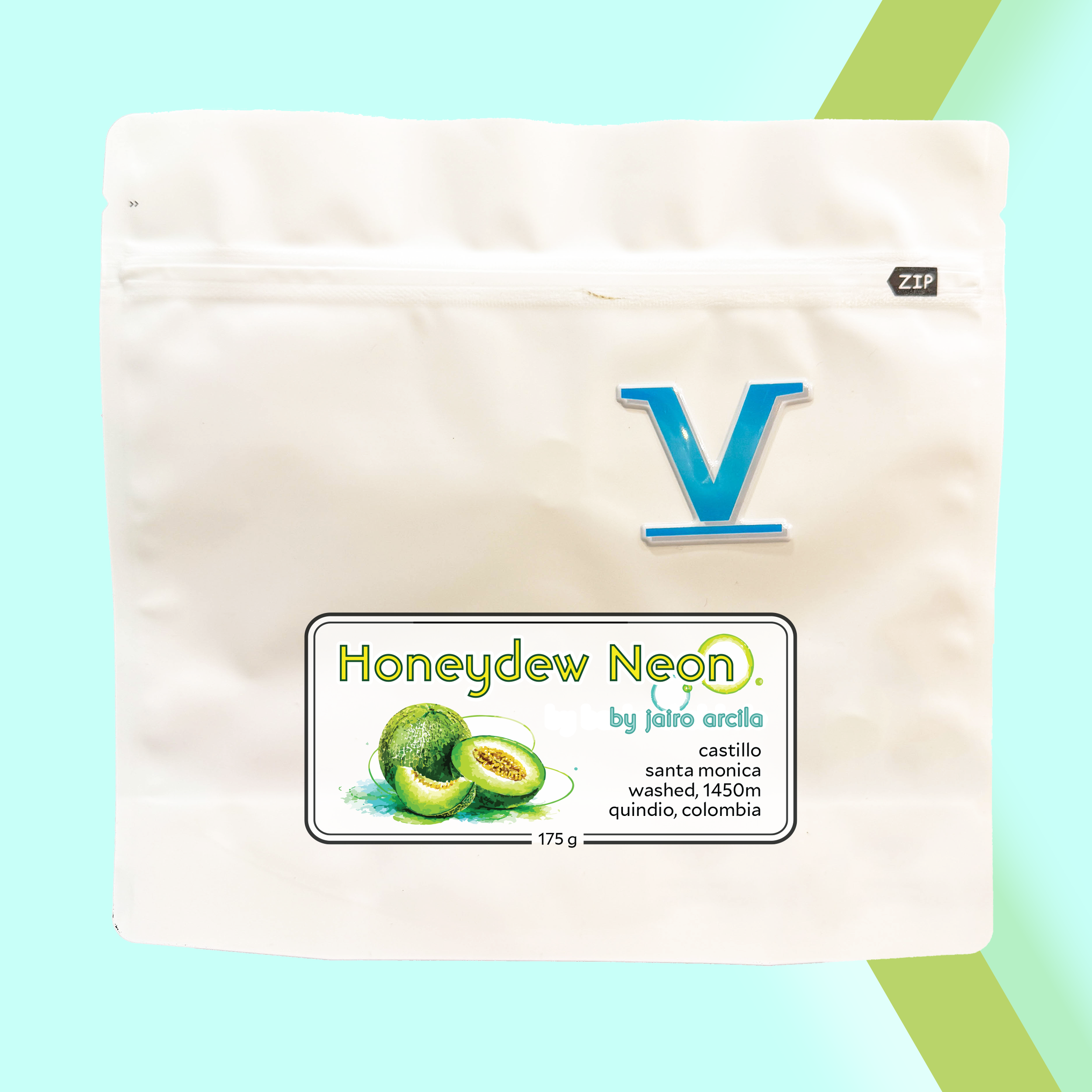
country // colombia
region // quindio
farm // santa monica
farmer // jairo arcila
varietal // castillo
elevation // 1450 masl
process // washed
size // 175g
Only the ripest cherries are harvested , then transports to the La Pradera processing centre in GrainPro bags or specially designed tanks to keep them fresh.
When the cherries arrive, they are floated in water to remove any low-density beans and unwanted material. The water is reused for several batches before being filtered through a series of specialized tanks. From there, it irrigates beds of vetiver grass, which naturally purify it and help return oxygen to the environment. This closed-loop system means no contaminated water is discharged—a small but important part of the farm’s commitment to producing coffee responsibly.
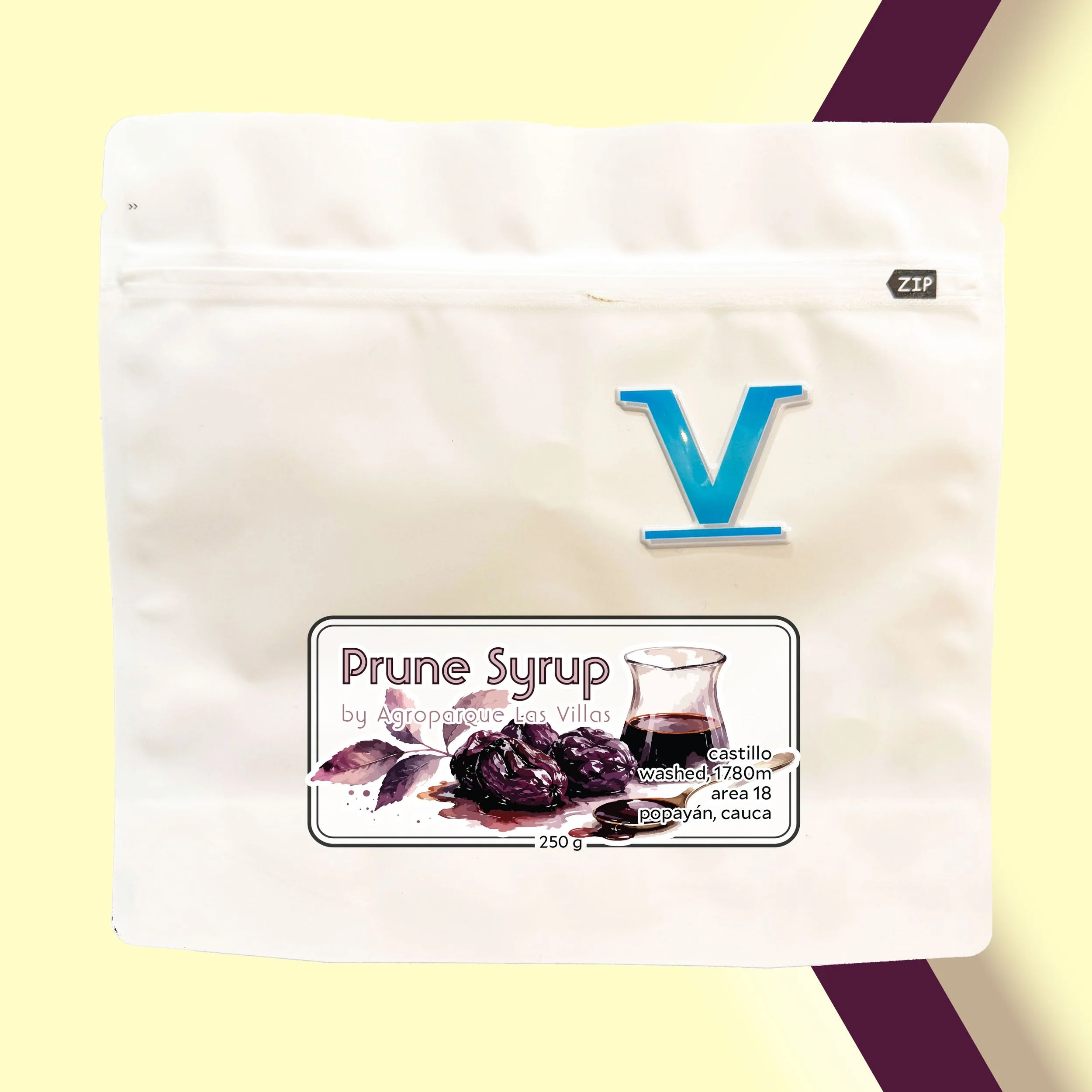
country // colombia
region // popayan
producer // agroparoue las villas
varietal // castillo
elevation // 1780 masl
process // oxidacion washed
size // 250g
After the cherries are meticulously picked at its optimum point of ripeness, Agroparque Las Villas turns to BanExport for their post-harvest expertise. Harvested cherries are transported to the BanExport processing mill called Area 18 in plastic crates on a refrigerated truck to ensure that quality is not compromised. At the carbon neutral mill, the coffee cherries are floated to sort out damaged and underripe fruit.
The coffee cherries are also sorted with an electronic sorter that provides uniformity in color, shape and size. Next the coffee is depulped and placed in a sealed bioreactor to control for temperature and levels of oxygen during the 48 hour fermentation process. Then the coffee parchment is washed and taken to a drying chamber with state-of-the-art environmental controls where the moisture is reduced to 11 percent over a period of 48 hours of continuous drying.
OUR STORY
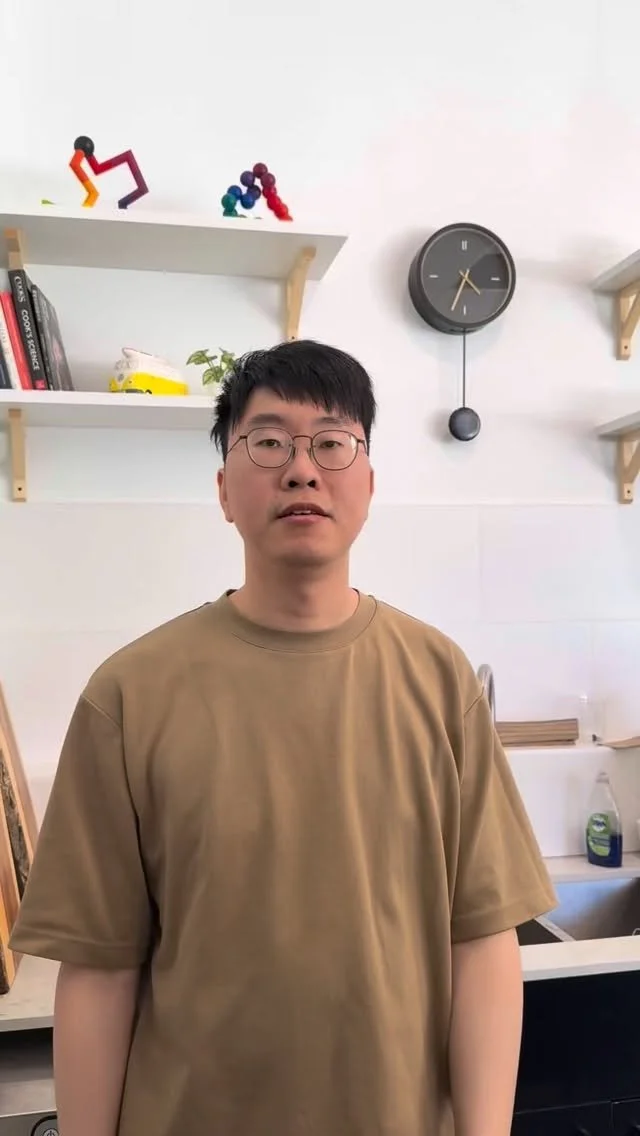
It started with a blueberry cup.
A bag of Ethiopian coffee from Tokyo changed what Jason thought coffee could be.
COFFEE SUBSCRIPTION
Two coffees. Chosen by Jason.
$48 a month, including shipping within Metro Vancouver. Two bags selected from our current rotation, sent at the end of the month or the start of the next.
VISIT THE CAFÉ
Your next coffee is here.
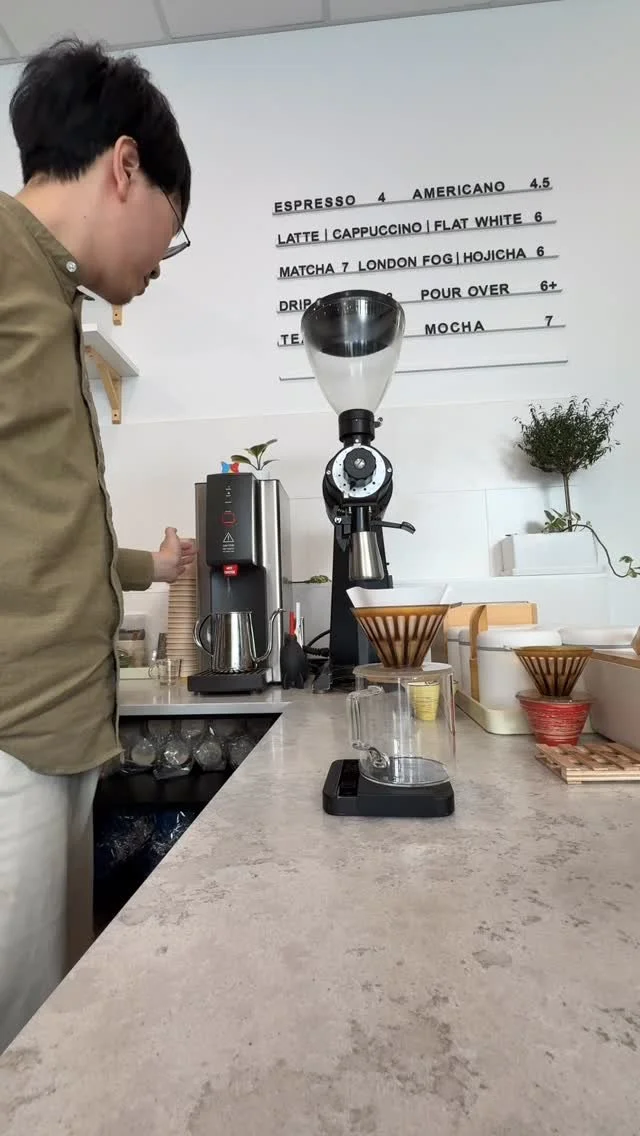
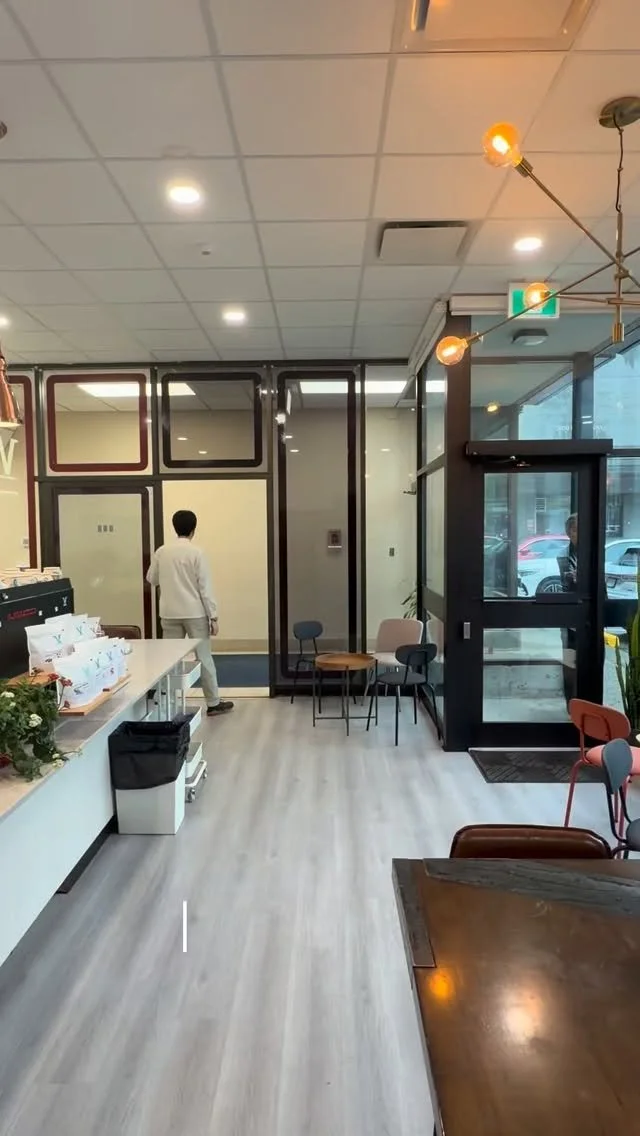
Visit our café and micro-roastery at 5000 Kingsway in South Burnaby. Single-origin espresso, a rotating pour-over bar, and coffee roasted in-house.
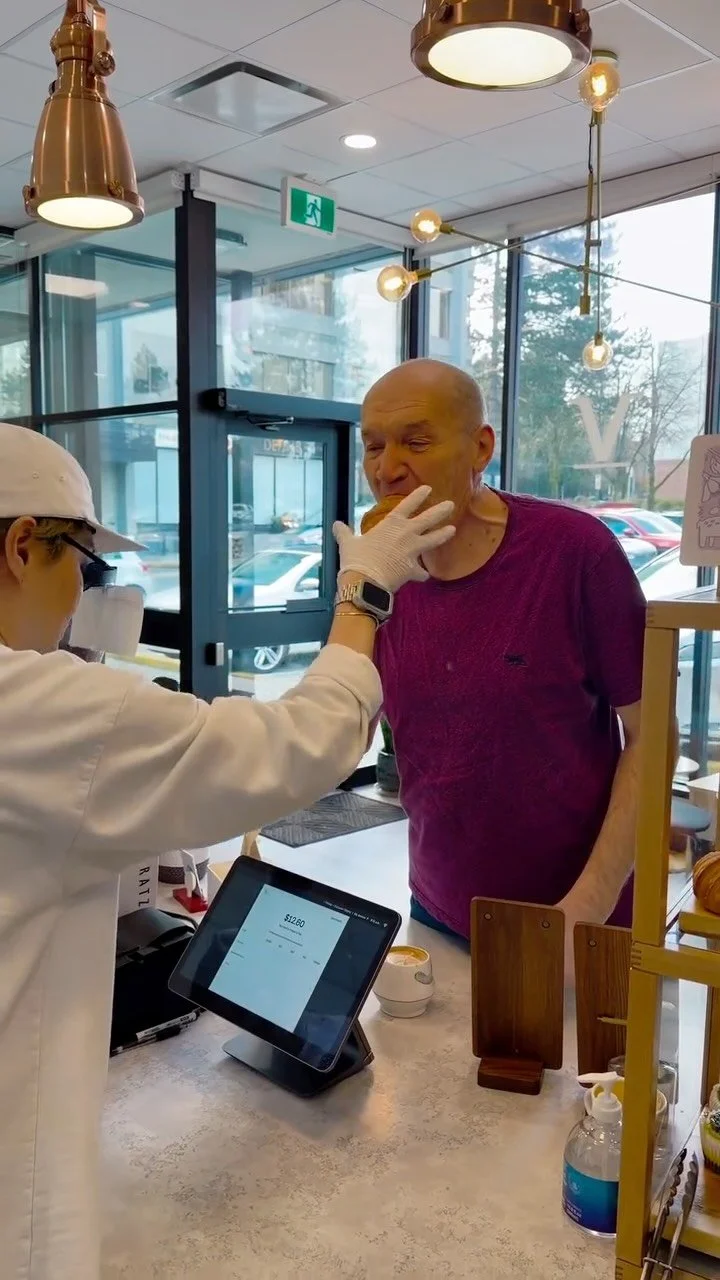
Tip-free, because we believe great service should come standard.
BREW AT HOME
Make the most of every bag.
One pour-over guide for our six coffees. Start with 16g, follow the pours, and adjust your grind to find your cup.